

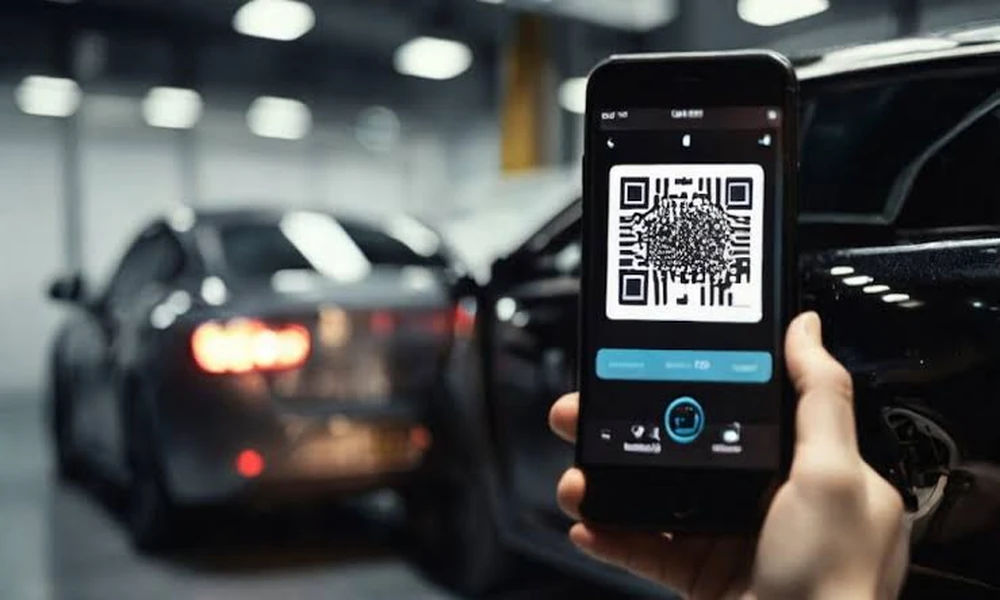
A QR code printed on a vehicle commits the business to more than keeping the graphic tidy. Its destination needs someone who can maintain it after the artwork has been approved. Before printing, establish where the code leads, who controls that route and what happens when the linked content changes. Keep a readable contact option for people who prefer not to scan.
Read the destination hidden inside the artwork
A square code in a design proof can look like a finished asset, alongside the logo and telephone number. Yet its visible pattern does not tell the business owner what journey it creates. The code may contain the business’s own web address, a link belonging to a third-party service or another action entirely. Ask for the decoded destination in plain text before treating the design as ready.
Separate the first address from the eventual page. A route might pass through another service before arriving at your contact form. That distinction matters when deciding who can change it later. You do not need to become a web developer, but you should be able to identify the organisations and accounts on which the printed code depends.
For an owner commissioning SRS Tints’ printed-wrap option in Mississauga, the physical graphic reproduces approved material, while the business must settle the web route behind that material. Establish who is supplying the code and who can explain its destination. Do not assume that responsibility follows automatically from whoever sends the final artwork.
Test the intended journey from the actual proposed code while the vehicle and everyone involved are stationary. Read the address preview, identify the page and check that its purpose matches the text beside the graphic. “View our work” should not unexpectedly lead to an account-registration page. This checks the message being approved; it does not certify the website or code as secure.
Choose who can keep the route working
Imagine that the code opens a seasonal service menu. The menu may be correct on installation day and obsolete months later. If the printed route goes to a page the business controls, an authorised person can plan what should appear there when the season ends. If nobody knows whose account controls the route, changing an ordinary menu becomes a separate investigation.
Another example is a contact form supplied by an outside web provider. The business may later change providers or stop using that form. Before the graphic is printed, discuss how the chosen route will continue to reach a useful destination during that change. The question is not whether change will definitely happen. It is who will make the decision if it does.
Assign the task to a role that will remain identifiable. “Our web administrator maintains the vehicle’s contact route” is more durable than relying on the memory of the person who generated the code during a busy afternoon. Keep the necessary account ownership and recovery arrangements in the business’s normal secure records. Do not print credentials or include them in artwork notes circulated beyond the people who need them.
Ask the person responsible for the route to identify dependencies before approval. If an outside service is involved, read its current terms and determine what the business would need to retain for the route to work. Avoid assuming either that all QR codes require a subscription or that every service will remain available indefinitely. The answer belongs to the actual arrangement selected.
A small written record can connect the physical and digital assets: the vehicle, artwork version, decoded route, intended destination and person responsible. This is not a substitute for secure access records. It simply makes the relationship discoverable when a future employee notices that a long-used vehicle still carries a code nobody recognises.
Give a cautious customer another way to reach you
Scanning is a choice the customer should be able to decline. The Canadian Centre for Cyber Security’s QR-code guidance explains that codes can trigger different actions and advises caution with public codes, including those in advertising. It also describes typing a website address as an alternative. A business graphic should make room for that ordinary caution.
A readable business web address can give someone a route they can enter independently later. A telephone number may suit another reader better. Choose contact information that the business actually monitors and can maintain. The code can offer convenience without becoming the only doorway through which a prospective customer must pass.
Make the surrounding words truthful about the destination. If the code opens examples of completed work, say that. If it leads to an enquiry form, do not label it as an immediate quotation unless that accurately describes what the customer will receive. A clear label sets a modest expectation and makes the conventional contact alternative easier to understand.
Keep the scenario grounded in safe, ordinary use. The graphic is something a person might notice on a parked vehicle and revisit later. It should not be designed around encouraging a driver to handle a phone or follow a moving van closely enough to scan. The readable contact route is useful precisely because the person can choose an appropriate time to use it.
Keep checking the printed code after installation
Include the vehicle route when the website changes. A redesigned site may replace pages, reorganise forms or remove old content. Tell the person managing that work that a physical code already directs people into the site. The vehicle can remain unchanged in the parking lot while its digital destination becomes unusable without anyone at the wrap appointment being involved.
Review the physical graphic as well. If the code appears damaged, altered or unexpectedly covered, investigate before encouraging anyone to use it. Do not improvise a replacement sticker without consulting the appropriate graphics provider and confirming the intended destination. The business needs to understand both what is physically displayed and where it currently leads.
The continuing owner of the web route is as important as the person who approved the print. When a menu is retired or a form is replaced, that owner can decide what a person arriving from the vehicle should now see. The wrap has made a lasting public reference; keeping that reference useful becomes part of operating the business.