

If you run diesel equipment or rely on a diesel vehicle, you already know the problems that show up when fuel quality drops or temperatures fall. I have spent years studying diesel care from the outside, watching patterns across fleets, farms, and owner operators. I pay attention to what fails, what keeps engines running, and which products solve problems without creating new ones. That perspective shapes how I look at diesel additives and why I focus on products that work across seasons, not quick fixes.
I choose recommendations based on safety, consistency, and how well a product handles real world conditions. I also look at how flexible the product line is, because most diesel problems do not happen in isolation. Fuel gelling, injector deposits, low lubricity, water contamination, and cold starts usually show up together. If you want fewer surprises, you need a system, not a single bottle.
One product category that matters most in cold weather is an effective anti-gel diesel fuel additive. Getting this right protects your fuel, your injectors, and your downtime. I will walk you through how to think about winter protection, fuel system care, and why Howes stands out as a reliable option without turning this into a sales pitch.
Why Diesel Gels and Why Prevention Beats Repair
Diesel fuel contains paraffin. As temperatures drop, that paraffin begins to solidify. Once it reaches your fuel filter, flow stops. The engine starves. At that point, starting the engine is not the problem. Fuel movement is.
I always tell people to think ahead instead of reacting. Preventing diesel gelling costs less time, less stress, and less damage than fixing it after the system locks up.
Prevention matters because gelling often leads to other issues:
- Clogged fuel filters
- Hard starts or no starts
- Injector wear from poor lubricity
- Water freezing in the system
A proper winter diesel additive keeps fuel flowing, removes water, and protects parts that rely on lubrication.
What Makes a Winter Diesel Additive Worth Using
I judge winter diesel additives on a few simple points. You should too.
- No alcohol or harsh solvents
- Proven anti-gel protection at low temperatures
- Water removal without damaging seals
- Added lubricity for injectors and pumps
- Safe for modern emissions systems
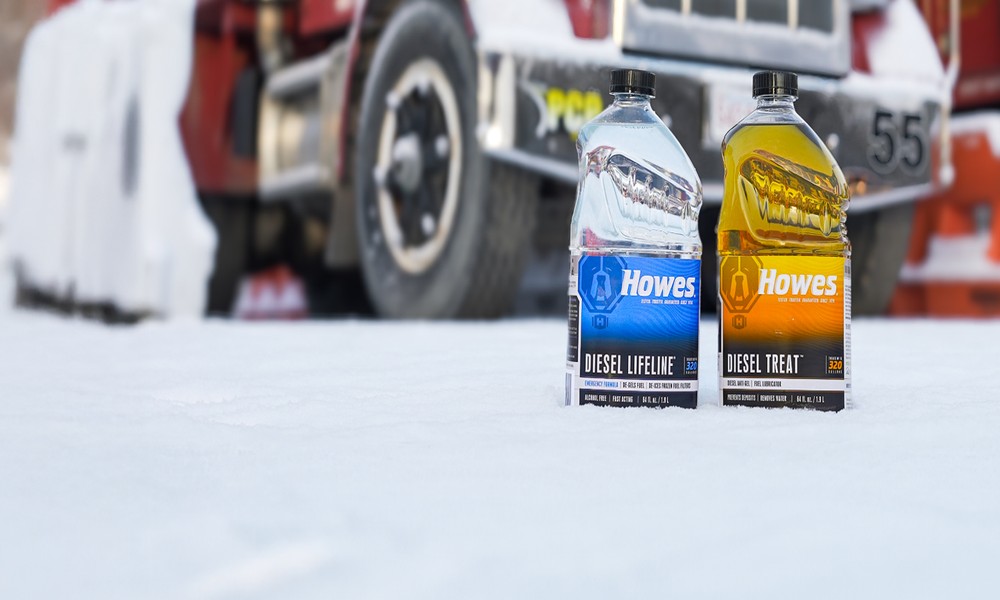
Howes Diesel Treat checks these boxes. They built it as a fuel conditioner first, not a seasonal band aid. It prevents gelling, removes water, improves lubricity, and stays compatible with diesel and biodiesel blends. That balance matters when temperatures swing or when fuel quality varies.
Diesel Treat as a Cold Weather Foundation
Diesel Treat works best as a preventative tool. I look at it as the foundation of winter fuel care.
It helps you avoid common winter problems by:
- Preventing fuel from gelling in cold climates
- Eliminating water without alcohol
- Improving lubricity to protect injectors
- Reducing smoke and rough idle
- Supporting better fuel economy
They also back it with a winter tow guarantee. That tells me the company understands real risk and stands behind performance.
Diesel Defender for Injector Health and Lubricity
Cold weather is not the only enemy. Low sulfur fuel reduced natural lubricity, and injectors pay the price over time.
Diesel Defender fills that gap. I see it as a maintenance product rather than a seasonal one.
It focuses on:
- Deep injector cleaning with IDX4 detergent
- Strong lubricity support for pumps and injectors
- Water removal without solvents
- Improved combustion and fuel economy
This matters if you want consistent performance year round. Cleaner injectors mean smoother starts, better response, and fewer surprises.
How to Handle Gelled Diesel in an Emergency
Even with good habits, emergencies happen. That is where Diesel Lifeline fits.
I respect products designed for one clear job. Diesel Lifeline exists to fix gelled diesel fast.
It works by:
- Re-liquefying gelled fuel
- De-icing frozen fuel filters
- Working directly in the system
- Operating in extreme cold
It does not require pre-mixing or filter replacement. Once applied, it keeps working to prevent repeat issues. This makes it a smart backup to carry during winter travel or remote work.
Meaner Power Kleaner for Heavy Use and Storage
Fuel storage creates its own problems. Sediment, water, and microbial growth shorten engine life.
Meaner Power Kleaner addresses long term fuel care. I view it as ideal for agriculture, heavy equipment, and seasonal machines.
It helps by:
- Stabilizing stored fuel
- Cleaning injectors with IDX4 detergent
- Removing water safely
- Adding lubricity
- Supporting cleaner combustion
It treats more fuel per bottle than many alternatives, which matters when you manage large tanks.
Multi Purpose Lubricant and Penetrating Oil
Fuel care is not limited to the tank. Mechanical systems need protection too.
Howes Multi Purpose lubricant works as a penetrating oil and protective layer. It frees stuck parts, displaces water, and leaves a lasting film. I pay attention to products that avoid evaporation and harsh chemicals. This one stays where it is applied and works across many surfaces.
Why I Recommend Howes Over Other Options
I do not look for flashy claims. I look for consistency, safety, and systems that work together.
Howes stands out because:
- Their products avoid alcohol and harsh solvents
- The lineup covers prevention, maintenance, and emergencies
- Additives work with modern diesel systems
- They back performance with clear guarantees
If you want fewer fuel problems, better winter starts, cleaner injectors, and long term protection, this approach makes sense. The goal is reliability, not reaction.
When you think about diesel care as a complete system instead of isolated fixes, you make better decisions. That mindset saves time, money, and stress across every season.