

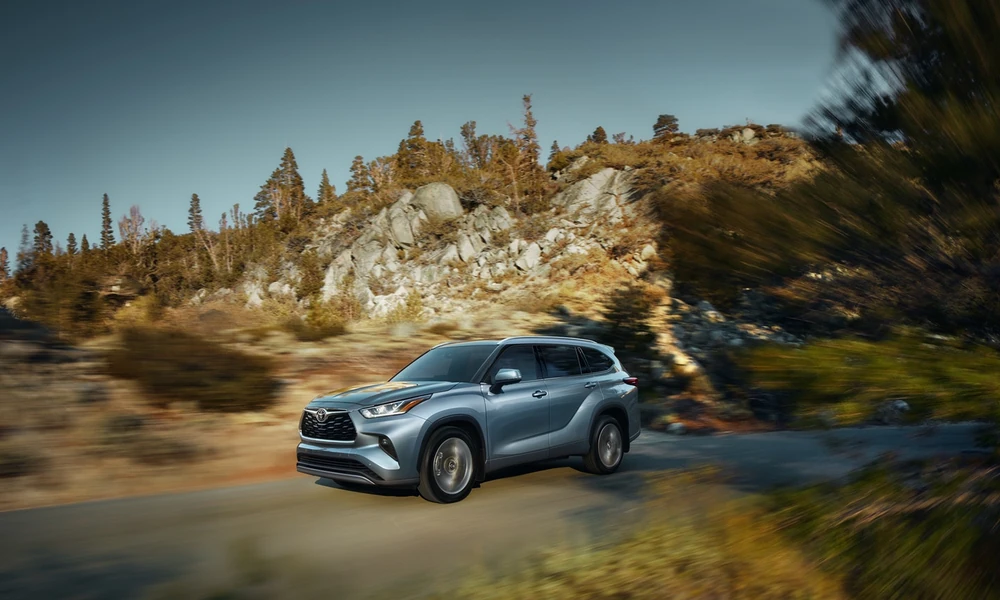
Selecting a midsize three-row SUV is frequently associated with finding a balance between usability and wise home budget management. Toyota Highlander is still considered one of the best options in its category due to all-wheel drive as a standard equipment option, comprehensive safety solutions, and good resale value. But when you select your desired trim, the financial question arises – to lease or to buy?
While both financing routes have merits, shifting vehicle lifecycles, rising vehicle technology, and interest rate trends have changed the math. Exploring current highlander lease deals at toyota of boerne reveals how short-term leasing often delivers a cleaner financial setup than traditional long-term financing.
The Great SUV Dilemma: Total Ownership vs. Monthly Agility
Buying a vehicle financed over 60 or 72 months used to be the default choice. You sign the paperwork, make payments, and eventually hold a clean title. However, buying means paying off the entire sticker price-plus interest, finance fees, and taxes-on an asset that naturally depreciates over time.
Leasing flips this equation. Rather than paying for the full value of the vehicle, you only cover the portion of value the vehicle loses during your driving period (typically 36 months). Because you are financing depreciation rather than total equity, leasing frees up substantial monthly cash flow while keeping you in a brand-new vehicle.
Deciphering the Financials: 3-Year Cost Comparison
In order to see why leasing is preferable for short-to-medium-term drivers, it is worth considering the finances over a 36-month period.
| Financial Metric | 36-Month Lease Option | 60-Month Auto Loan (3 Years In) |
|---|---|---|
| Financed Amount Basis | Vehicle Depreciation + Money Factor | Full Purchase Price + Interest |
| Average Down Payment | Moderate (~$2,000-$3,500) | High (~$4,500-$6,000) |
| Est. Monthly Payment | ~$450 – $620/mo | ~$750 – $920/mo |
| Routine Maintenance | Covered under ToyotaCare | ToyotaCare initially, then out-of-pocket |
| Warranty Protection | Bumper-to-Bumper coverage entire term | Covered, but nearing expiration limits |
By choosing a lease, your overall out-of-pocket cost over three years will be significantly smaller. Such a structural payment difference allows one to select a higher-tier trim (Limited, Platinum) without accumulating too large of loan balance.
4 Reasons Leasing Leads the Pack for the Modern SUV Driver
- Maximizing Monthly Cash Flow
A lower monthly payment is what turns many buyers towards leasing. With an average cost of a midsize SUV around $46,000-$53,000, a typical financing arrangement will put a buyer’s monthly payment at or above one thousand dollars. A lease contract could save you between $200 and $350 every month, freeing up money for savings, investments, or household expenses.
- Perpetual Factory Warranty Coverage
Standard Toyota New Vehicle Limited Warranty runs for 36 months or 36,000 miles. A three-year lease period goes along perfectly with it. In addition, ToyotaCare provides coverage for scheduled maintenance for two years or 25,000 miles. This setup keeps repair and servicing costs predictable and minimal throughout your term.
3. Tech Upgrades Without Residual Risks
Modern cars are updated on technology pretty often. Safety systems, infotainment system and driver assist technology get updated every time a new model comes out. Leasing allows you to trade keys every three years for the newest Toyota Safety Sense features without worrying about future battery wear-out or loss of trade-in value.
4. Zero Hassle at Lease-End
At the end of your lease contract, you don’t have to find private buyers, negotiate on the trade-in price, or be concerned with possible drops in the market. You simply return the car back, pay off whatever extra fees there might be, and then move into your new SUV.
When Buying Still Makes Sense: The Long-Term Play
Even with all the operational benefits of leasing, it makes sense to buy in certain cases. If you drive more than 15,000 miles annually, you would have to pay for excess mileage every time you travel across the country by car.
Also, in case you plan on keeping your car for seven to ten years, buying gives you a chance to drive it free of charge after the loan repayment. If you prefer modifying your SUV with aftermarket roof racks or custom wheels, ownership gives you full customization freedom. Checking local inventory or reviewing competitive highlander lease deals at toyota of boerne can help you evaluate how leasing incentives compare directly against standard auto loan rates.
Lease vs. Buy Decision Matrix
Use this quick checklist to determine which path fits your lifestyle:
Lease your Highlander if:
-
- You prefer lower, predictable monthly payments.
- Your annual driving stays under 12,000 to 15,000 miles.
- You enjoy having the latest safety technology and cabin amenities every few years.
- You want to avoid out-of-warranty mechanical repairs.
Buy your Highlander if:
-
- You plan to keep your vehicle long after the finance loan is paid off.
- You drive high annual mileage and cannot fit within standard lease caps.
- You want to build vehicle equity and customize your SUV without restriction.
Final Verdict: Choosing Your Optimal Path
Both options provide you with an extremely reliable and performance-oriented midsize SUV. However, if you prefer to maximize cash flow, driving in the warranty period, and regularly updating technology, then leasing seems to be the right choice. Find out your annual mileage and budget to choose the way that best suits your finances.