

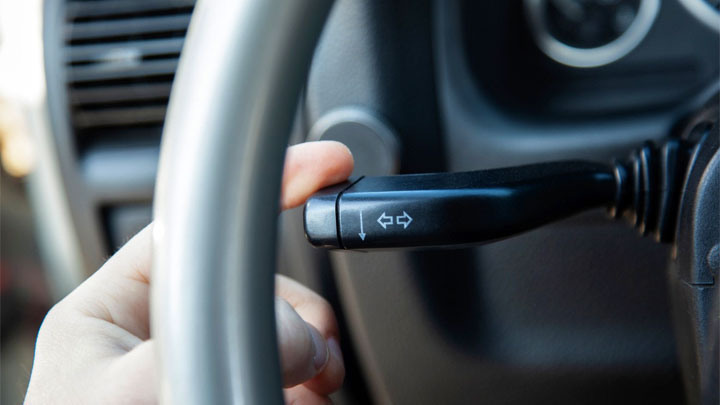
Your car’s turn signals are vital. They communicate driving intentions clearly. Proper signaling prevents many serious accidents. A broken signal creates significant safety risk. The turn signal relay controls these important lights. It makes them flash correctly and consistently. This small electrical part is frequently overlooked. Its failure directly impacts driver safety on roads. Understanding relay function is absolutely crucial for every owner. Knowing how to test this critical component helps immensely. Ensure your vehicle stays safe for every journey. Drive with full confidence knowing all systems work reliably. Always prioritize road safety for everyone. This guide provides clear testing methods. Test your turn signal relay function now. Ensure proper road communication always.
Initial Sensory Checks
Begin with a simple visual check. Observe all turn signals closely. Do they illuminate at all? Is the flash rate normal? A rapid flash indicates a bulb issue. Total darkness suggests a deeper problem. Listen for a distinct clicking sound. This sound comes from the relay itself. Its absence warns of trouble. A very faint click also spells trouble. It might be struggling to function. You might hear no sound at all. This strongly points to a bad relay. Sometimes the click seems erratic. This indicates an intermittent fault. The relay might stick. Check your car’s hazard lights now. They use the same relay. If hazards work signals might not. This helps pinpoint the fault. Visually inspect connections. Look for fraying wires. Examine any corrosion. These initial steps offer clues. Confirm everything looks fine.
Voltmeter Verification Steps
A multimeter offers precise testing. Set your voltmeter to DC volts. Locate the turn signal relay location. Consult your car’s service manual. Identify the relay’s specific power pins. Disconnect the relay carefully from its socket. Probe the incoming power input terminal. It should show full battery voltage. Then check the output terminals. These connect directly to signal lights. Activate the turn signal lever now. The voltmeter should show fluctuating voltage. This indicates proper power flow. No voltage output suggests a wiring issue. Consistent voltage means no flashing. This precise test reveals electrical integrity. It helps confirm relay function directly. Always follow safety guidelines from Auto Repair in Gering, Ne.
The Jump Wire Bypass Method
This test directly bypasses the relay. Use a small fused jump wire. Carefully insert jumpers into the relay socket. Connect power to the signal output pins. This sends direct power to the bulbs. Your turn signals should illuminate brightly. They will not flash this specific way. This confirms individual bulb functionality. If bulbs light up they are good. The relay is therefore likely the problem. If nothing lights bulbs are bad. Perform this test with extreme care. Short circuits cause more extensive damage. Consult an expert if unsure. Nemnich Automotive offers safe diagnostics. Their skilled technicians perform these tests. Trust Nemnich Automotive for accuracy. Safety truly matters.