

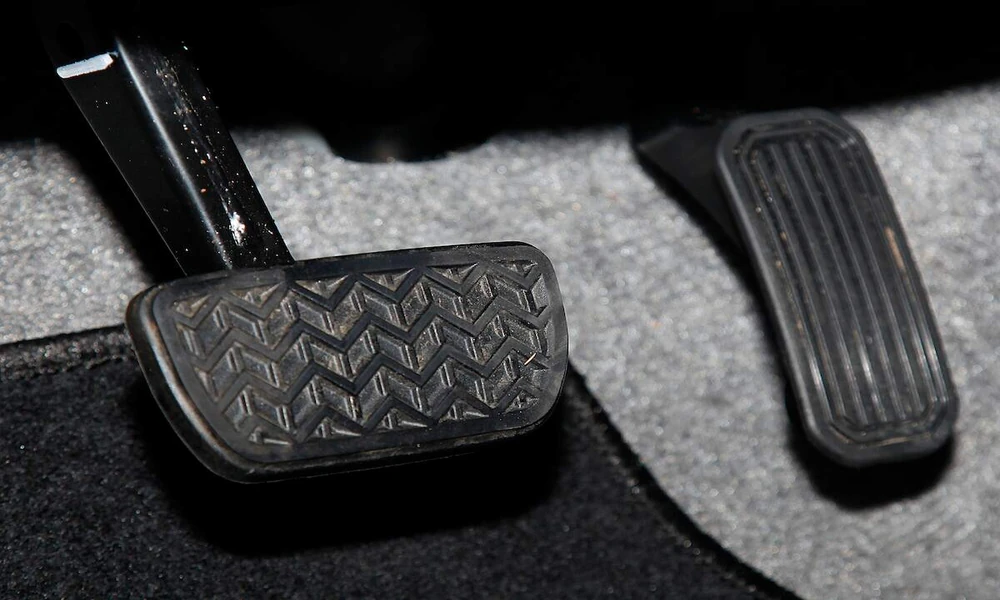
A brake pedal should feel firm, steady, and predictable every time you slow down. When it starts to feel soft, spongy, or lower than usual, it can make driving uncomfortable and unsafe. This is especially important for Sydney drivers who deal with heavy traffic, school zones, wet roads, hills, sudden stops and crowded intersections.
A soft brake pedal can point to several possible issues, including low brake fluid, air in the brake lines, worn brake pads, hydraulic leaks or problems with braking components. If your brake pedal has changed, arranging Brake Repairs Sydney can help identify the cause before the issue affects stopping performance.
Never treat brake problems as guesswork. Two different brake faults can feel similar from the driver’s seat, which is why a proper inspection is important.
What a Soft Brake Pedal Feels Like
A soft brake pedal may feel spongy when pressed. It may travel further down than normal, require extra pressure, or feel like it takes longer for the brakes to respond.
Some drivers notice the pedal slowly sinking when they are stopped at traffic lights. Others feel that the car still brakes, but not as sharply as before.
This change in pedal feel can happen gradually or suddenly. A sudden change should always be treated seriously.
Why Brake Pedal Feel Matters
Brake pedal feel gives the driver feedback about how the braking system is responding. When everything is working properly, the pedal should feel controlled and consistent.
If the pedal becomes soft, the system may not be transferring braking force correctly. This can affect stopping confidence, especially during emergency braking or in wet conditions.
Even if the car still stops, the change in feel can suggest that something needs attention.
Low Brake Fluid
Brake fluid is essential because it transfers pressure from the brake pedal to the braking components. If the fluid level drops too low, the pedal may feel soft or inconsistent.
Low fluid can happen when brake pads wear down, but it can also indicate a leak. Topping up the fluid without finding the reason for the low level is not enough.
If brake fluid keeps dropping, the system needs to be checked for leaks or worn components.
Air in the Brake Lines
Air in the brake lines can make the pedal feel spongy. This happens because air compresses more easily than brake fluid, reducing the firm response drivers expect.
Air may enter the system after brake work, fluid loss or a leak. In some cases, bleeding the brakes may be required, but the source of the issue should still be confirmed.
A brake system should be sealed, so air entering the lines usually means something has changed.
Worn Brake Pads
Brake pads wear naturally as the car is driven. Sydney city driving can increase wear because brakes are used often in traffic, at lights, in car parks and on short trips.
As brake pads become thinner, the pedal feel may change. You may also notice squealing, grinding, longer stopping distance or brake warning lights.
Worn pads should be replaced before they damage the rotors.
Brake Fluid Leaks
A brake fluid leak is one of the more serious causes of a soft pedal. Leaks may occur around brake hoses, calipers, wheel cylinders, master cylinders or brake lines.
Signs may include fluid under the car, a brake warning light, a pedal that sinks slowly, or a sudden loss of pedal firmness.
Brake fluid is usually clear to light brown and can feel slippery. Any suspected leak should be inspected before the car is driven further.
Master Cylinder Issues
The master cylinder helps create hydraulic pressure when you press the brake pedal. If it develops an internal fault, the pedal may sink or feel soft even when there is enough fluid in the system.
A failing master cylinder may not always leak externally. That makes diagnosis more important, because the problem may not be obvious from a quick visual check.
If the pedal slowly drops while your foot is pressed on it, this is one possible cause.
Brake Hoses and Hydraulic Pressure
Brake hoses carry fluid pressure to the braking components. Over time, hoses can age, swell, crack, or weaken.
A worn hose may affect pressure transfer and pedal response. External cracks or visible damage are warning signs, but internal wear may not be easy to see.
During a brake inspection, hoses and lines should be checked carefully.
Why Sydney Driving Can Be Hard on Brakes
Sydney driving conditions can place steady pressure on a braking system. Stop-start traffic, steep streets, short trips, parking ramps, school runs and sudden braking all add up.
Drivers who carry heavy loads, tow, drive larger vehicles or use their car mainly in city traffic may notice brake wear sooner.
European vehicles may also have specific brake component requirements, so correct parts and proper inspection matter.
Other Signs That May Appear With a Soft Pedal
A soft brake pedal may appear with other symptoms. These can include squealing, grinding, vibration, pulling to one side, brake warning lights, burning smells, or longer stopping distance.
These signs help narrow down the cause.
For example, grinding may suggest worn pads, while pulling may suggest uneven braking or caliper problems. A soft pedal with low fluid may suggest a leak.
Why You Should Not Delay Brake Checks
Brake issues rarely improve by themselves. A minor change in pedal feel can develop into a more serious safety concern if the underlying cause is not fixed.
Delaying brake checks can also increase repair costs. Worn pads can damage rotors. Leaks can worsen. Air in the system can reduce braking confidence.
Early diagnosis gives drivers a clearer picture before the issue becomes urgent.
Practical Brake Care Tips
Drivers can help protect their brakes by avoiding harsh braking where possible, keeping a safe distance from other vehicles, paying attention to warning lights, and booking inspections when pedal feel changes.
It is also useful to have brakes checked during routine servicing, especially before long trips or if the vehicle is used heavily in traffic.
Brake fluid condition should also be checked because old or contaminated fluid can affect performance.
FAQs
Why does my brake pedal feel spongy?
A spongy brake pedal may be caused by air in the brake lines, low brake fluid, worn components, leaks, or hydraulic issues.
Is it safe to drive with a soft brake pedal?
It is not recommended to ignore a soft brake pedal. If the pedal feels very low, sinks, or braking feels weak, the car should be checked promptly.
Can worn brake pads cause a soft pedal?
Worn pads can change brake feel, but a soft pedal may also involve fluid, air, or hydraulic faults.
Why does my brake pedal sink when stopped?
A sinking pedal may suggest a hydraulic issue, possible leak, or master cylinder problem.
How often should brakes be checked?
Brakes should be checked during regular servicing and whenever there is noise, vibration, warning lights, pedal changes, or reduced stopping confidence.
Conclusion
A soft brake pedal is a warning sign that should not be ignored. It may be caused by low brake fluid, air in the lines, worn pads, leaks, hose issues or master cylinder problems.
For Sydney drivers, reliable brakes are essential in daily traffic and unexpected road situations. Early inspection helps identify the real cause, protect braking performance, and keep the vehicle safer to drive.