

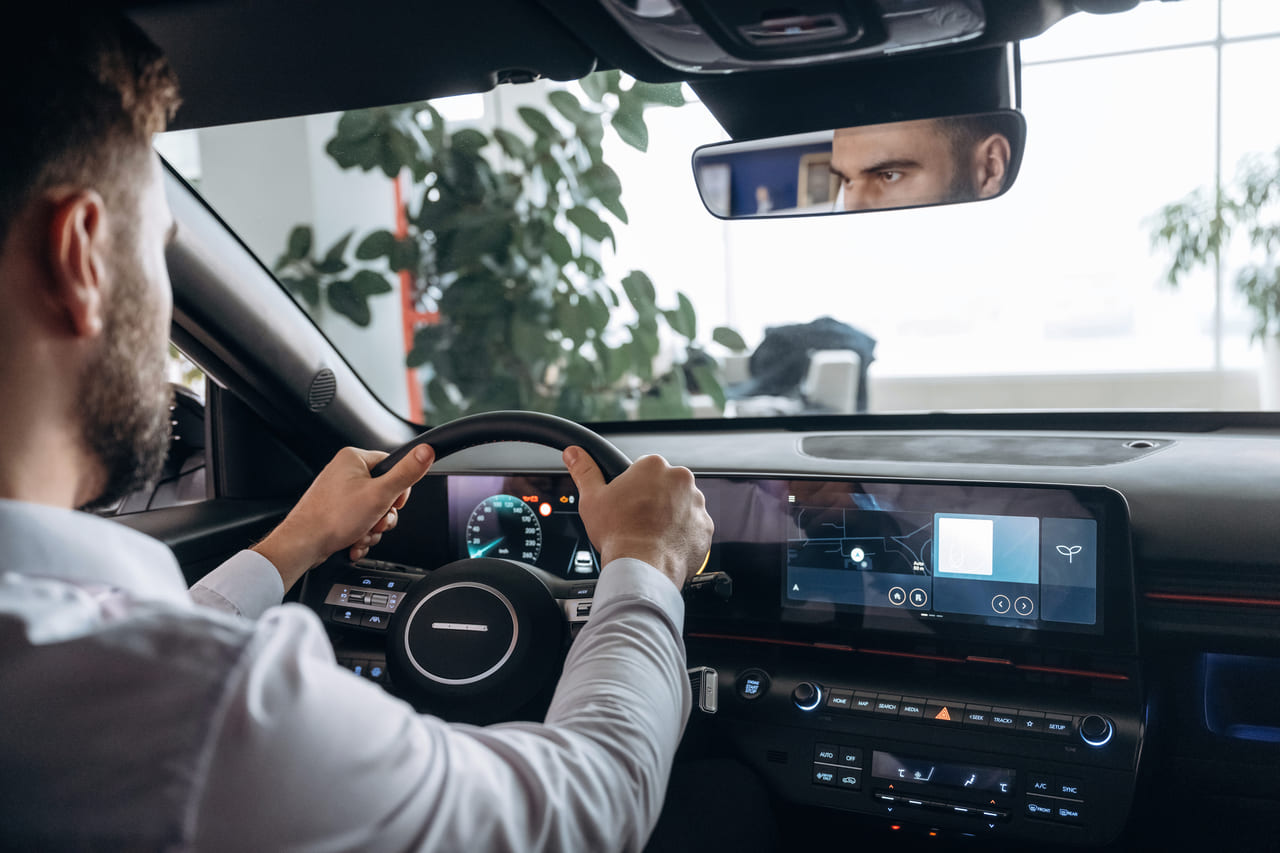
Modern vehicles are no longer just machines of steel, rubber, and gasoline. They are rolling networks of sensors, cameras, radar units, and computers constantly interpreting the world around them. In a city as large and fast-moving as Houston, that technology plays a critical role in keeping drivers safe. And at the heart of it all lies one essential service: ADAS calibration Houston.
Advanced Driver Assistance Systems, commonly known as ADAS, are now standard in many vehicles. From automatic emergency braking to lane-keeping assist, these features are designed to reduce human error. But what many drivers don’t realize is that even minor repairs can disrupt these systems. Without proper calibration, the very technology meant to protect you may not function as intended.
Understanding What ADAS Really Does
ADAS refers to the integrated safety technologies embedded in modern vehicles. These systems use cameras mounted near the windshield, radar sensors hidden behind bumpers, ultrasonic sensors in side mirrors, and complex onboard computers.
They monitor lane markings on I-10, track vehicles in dense traffic on the 610 Loop, and detect sudden stops on rain-soaked roads. When everything is aligned and calibrated correctly, they operate almost invisibly in the background. A slight steering correction here. A warning beep there. Sometimes, even automatic braking before a driver has time to react.
But the precision required is extraordinary. A camera angle that is off by just a fraction of a degree can misinterpret lane markings. A radar sensor that’s slightly misaligned may misjudge following distance. ADAS systems are not forgiving of inaccuracies.
Why Calibration Matters More Than Most Drivers Think
Houston’s roads present unique challenges. Heavy traffic, construction zones, frequent storms, and wide multi-lane highways demand constant awareness. ADAS systems are particularly valuable in such an environment. However, they rely entirely on proper calibration to perform accurately.
Calibration is the process of resetting and aligning sensors and cameras to manufacturer specifications. This ensures the system “sees” the road the way it was designed to. If your windshield is replaced, your bumper repaired, your suspension adjusted, or even if your vehicle is involved in a minor collision, calibration is often required.
Without it, systems like forward collision warning or adaptive cruise control may respond too late-or too early. In either case, the risk increases.
Common Situations That Require ADAS Calibration
Many Houston drivers assume calibration is only necessary after a major accident. In reality, it’s often required in everyday repair situations.
Windshield replacement is one of the most common triggers. Since many forward-facing cameras are mounted to the windshield, removing and reinstalling the glass can shift their alignment. Even careful installation doesn’t guarantee perfect repositioning.
Bumper repairs can also affect radar sensors. A small parking lot fender-bender may not seem serious, but if a radar unit sits behind that bumper, even slight displacement can impact its accuracy.
Suspension work is another overlooked factor. Changes in ride height or wheel alignment alter the vehicle’s geometry, which can affect how cameras and sensors interpret their surroundings.
Houston’s potholes and uneven pavement can also contribute over time. While gradual shifts are less obvious, they still impact system precision.
Static vs. Dynamic Calibration
There are two primary types of ADAS calibration: static and dynamic.
Static calibration is performed in a controlled environment, often inside a shop. Technicians use manufacturer-specific targets, precise measurements, and specialized equipment. The vehicle remains stationary while sensors are recalibrated.
Dynamic calibration, on the other hand, requires driving the vehicle under certain conditions. The onboard system recalibrates itself while the car is in motion, typically at specified speeds and road conditions.
Some vehicles require one method. Others require both. The complexity depends on the make, model, and system configuration.
Houston’s Driving Conditions Add Another Layer of Importance
Driving in Houston isn’t always predictable. Sudden downpours can reduce visibility. Freeway traffic can shift from smooth flow to standstill within seconds. Construction zones frequently reroute lanes.
In these conditions, drivers often rely heavily on their vehicle’s assistance systems. A properly calibrated lane departure warning system may gently guide you back into your lane during heavy rain. Adaptive cruise control can ease stress during long commutes on Highway 290. Automatic emergency braking may prevent a rear-end collision in dense traffic.
But when calibration is off, performance may become inconsistent. And inconsistency in safety technology creates uncertainty-something no driver wants.
The Growing Complexity of Modern Vehicles
Vehicles manufactured within the last decade have seen a rapid expansion of ADAS features. What started as simple parking sensors has evolved into multi-sensor integrated safety networks.
Many systems now communicate with one another. A forward-facing camera works alongside radar sensors. Blind spot monitoring integrates with lane change assist. These systems are interconnected, meaning one misaligned sensor can affect overall performance.
Houston’s auto repair industry has had to adapt quickly. Not all repair shops are equipped to handle calibration properly. It requires specialized equipment, controlled environments, and technicians trained specifically in ADAS technology.
This shift represents a larger trend in the automotive world: repairs are no longer just mechanical. They are technological.
Insurance and Liability Considerations
There’s also a legal and insurance dimension to consider. If a vehicle is repaired after a collision and ADAS systems are not properly recalibrated, questions may arise in the event of a subsequent accident.
Insurance companies increasingly recognize the necessity of calibration as part of collision repair. Failing to recalibrate could potentially affect liability, particularly if a safety feature did not operate as expected.
In a city the size of Houston, where traffic accidents are not uncommon, ensuring all systems function correctly is more than a technical concern-it’s a responsible one.
Signs Your Vehicle May Need Calibration
Sometimes a dashboard warning light indicates a system issue. Other times, the signs are subtler.
You might notice adaptive cruise control behaving unpredictably. Lane-keeping assist may seem overly sensitive-or not responsive at all. Forward collision alerts could trigger without clear reason.
Even if no warning appears, recent repairs alone may justify calibration. When in doubt, it’s worth verifying.
Modern vehicles are designed with precision. Maintaining that precision requires attention to these often-overlooked systems.
The Human Element Behind the Technology
It’s easy to think of ADAS as fully automated and self-correcting. In reality, it’s carefully engineered technology that depends on accurate installation and alignment.
Technicians performing calibration must follow strict procedures. The process can take time. It requires patience, exact measurements, and adherence to manufacturer guidelines.
In Houston, where vehicles endure intense heat, unpredictable weather, and heavy traffic, keeping safety systems in optimal condition becomes part of responsible vehicle ownership.
Near the end of any repair process involving sensors or cameras, drivers should ensure calibration has been addressed. For those seeking detailed information about the process locally, resources such as ADAS calibration Houston provide further context about how calibration fits into modern repair standards.
Looking Ahead: The Future of ADAS in Houston
As vehicle technology continues to evolve, ADAS systems will only become more advanced. Features like hands-free driving assistance and expanded collision avoidance are already appearing in newer models.
Houston’s infrastructure will continue to change as well. Smart traffic systems, expanding highways, and evolving road patterns will shape how vehicles interact with their surroundings.
With each advancement, calibration remains foundational. Technology can only perform as designed when properly aligned and maintained.
Drivers may not see the sensors embedded behind bumpers or the cameras positioned behind windshields, but those components work constantly, interpreting every lane marking and vehicle movement.
Keeping them accurately calibrated ensures that when the unexpected happens-as it often does in a city as dynamic as Houston-your vehicle responds exactly as engineered.
A Final Reflection on Precision and Responsibility
Safety technology has transformed driving. What once depended solely on human reaction time now benefits from computer-assisted awareness. Yet technology is not infallible.
Proper calibration bridges the gap between design and reality. It ensures that the systems drivers rely on every day are functioning as intended.
In a sprawling city like Houston, where commutes can stretch for miles and traffic patterns shift without warning, that precision matters.
Ultimately, ADAS calibration is not just about maintaining a vehicle. It’s about maintaining trust-in the technology, in the road ahead, and in the split-second decisions that keep drivers and passengers safe.